


Snowella
Liu Lian
I approached Snowella as a small reading-focused personalization app rather than as a full study platform. Its central idea is simple: make time spent with written material feel more useful, while keeping the experience connected to the way I use my phone every day. That makes it interesting for people who want a little more substance from their screen, but it also means the app needs to be judged by a practical question: does it fit naturally into your routine, or does it become another tool you open once and forget?
Snowella is free to install, developed by Liu Lian, and listed in the personalization category. It has reached over 50 thousand installs and holds a 4.3 average from around 420 ratings, with roughly 99 written reviews. Those figures suggest a modest but real user base rather than a huge mainstream service. I would treat that as a sign to look closely at the actual reading experience instead of assuming that popularity alone makes it the right choice.
The store’s short label is simply “Snowella,” while its broader promise is gaining knowledge through reading. That wording sets a useful expectation: this is not an app I would choose for intensive academic research, formal note-taking, or a carefully structured course. I see it as a lighter companion for people who want reading to occupy a more meaningful place in their mobile habits.
How I Decided Whether Snowella Is Worth Keeping
The first decision is your definition of useful reading
Before choosing Snowella, I would separate three different needs that are often mixed together. Some people want a library for long books. Others want a system for studying and remembering material. A third group wants short, approachable reading that can turn an otherwise empty phone check into a moment of learning. Snowella makes the most sense for that third group.
If your goal is to finish novels, organize a personal ebook collection, or continue from a precise page across several devices, a dedicated reading app is likely to be a better fit. If you need highlighting, citations, flashcards, or progress tracking for a class, a study tool will probably serve you more directly. Snowella’s appeal is narrower and more personal: it encourages a knowledge-oriented reading habit without asking you to build an elaborate system around it.
Related News

Why WhatsApp Messenger Still Makes Everyday Communication Feel Easy

Jurassic World: The Game Is the Better Dino Tycoon for Strategic Players

Threads in Real Life: Who Should Join, Lurk, or Leave

How SHEIN Turned Shopping Into an Endless Content Feed

How to Make Fortnite Feel Smarter on Mobile

Should You Switch to Microsoft Outlook on Mobile?
I also considered how much effort an app demands before it becomes useful. A good personalization app should not make me manage a complicated workflow just to receive value. Snowella is most appealing when I can open it during a spare minute, read something that feels worthwhile, and leave without having to maintain a large collection of settings or records.
Where it fits in a normal day
A realistic use case is a short break between errands. I might be waiting for a meeting to start, sitting on public transport, or winding down after dinner with the intention of avoiding endless social feeds. In that situation, Snowella works as a deliberate replacement for low-value scrolling. I would not expect to complete a major learning project in one sitting. The benefit is cumulative: several small reading sessions can make the phone feel less distracting and more intentional.
Another useful routine is to place it next to the apps I normally open automatically. That small change matters because the main competition is not necessarily another reading product; it is the habit of checking messages, news, or entertainment first. Snowella has a chance when it is treated as a default pause rather than a task that requires motivation every time.
Gallery
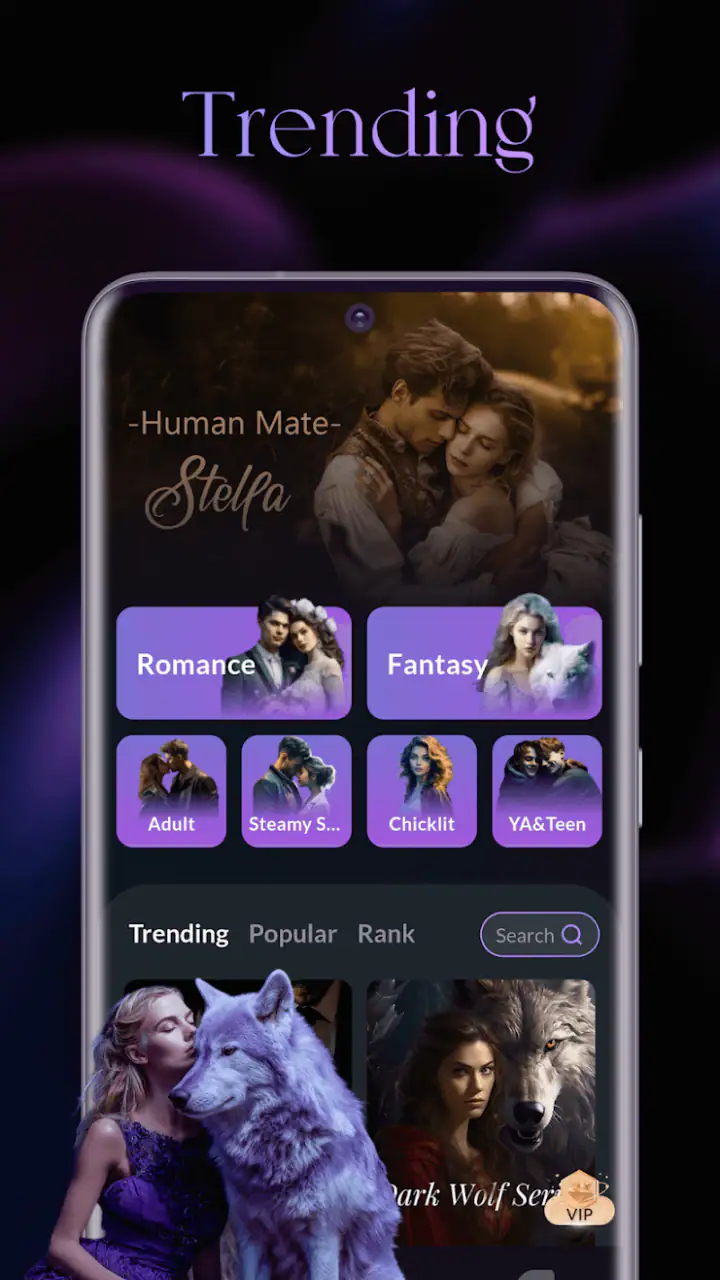
For parents or households, the age label deserves attention. Snowella is marked Mature 17+, so I would not present it as a general children’s reading app or hand it to a younger user without checking whether it is appropriate for that person. The label changes who I would recommend it to: adults and older users should make the decision, especially if the phone is shared.
What makes its approach appealing
The strongest idea here is the connection between personalization and learning. A standard reading app usually begins with content you deliberately choose. Snowella appears designed around the opposite direction: it can become part of the phone experience that helps reading find you. That distinction matters for people who have good intentions but rarely remember to open a book or learning service.
The best reason to try Snowella is not that it replaces a library; it is that it can make small moments of reading easier to start. That is a modest promise, but modest promises are often more useful than claims of transforming an entire lifestyle. I would judge it by whether it helps me return regularly, not by whether one session feels dramatic.
Its placement in personalization also gives it a different character from a conventional ebook reader. The experience is less about building a shelf and more about shaping how the phone presents information. For someone who wants every app to have a clear role, that may feel refreshing. For someone who wants complete control over books, files, and reading order, it may feel limited.
Three practical habits that improve the experience
My first tip is to use Snowella at a fixed transition point instead of waiting for free time to appear. The five minutes before leaving home, the first quiet pause after lunch, or the period before charging the phone can work better than an open-ended promise to “read later.” This is a specific advantage of a lightweight reading tool: it can support a repeatable cue without demanding a large block of attention.
My second tip is to decide in advance what kind of knowledge you want from the app during a given week. One week might be for general curiosity, while another might focus on practical topics. Without that small intention, short reading can become a stream of disconnected fragments. Snowella is more useful when I connect separate sessions to a question I already care about.
My third tip is to stop a session while I still have a clear takeaway. After reading, I would say the main idea aloud or write one sentence in my regular notes app. Snowella should not be forced to become a full knowledge-management system. A simple external note can turn passive reading into something I am more likely to remember, while keeping the app’s role uncomplicated.
Where Snowella wins against familiar alternatives
Compared with social media, Snowella has a clearer educational purpose. Social feeds are excellent at removing friction from entertainment, but they can leave me with little control over what I consume next. A reading-centered personalization app offers a more intentional default. It may not be as instantly stimulating, but that is part of the point for anyone trying to reduce reactive scrolling.
Compared with a conventional ebook reader, Snowella’s likely strength is immediacy rather than depth. An ebook app is better when I already know the title I want, need a long uninterrupted session, or care about precise reading position. Snowella is better suited to discovery and short visits. I would use the two for different jobs rather than expecting one to replace the other.
Compared with a news app, Snowella also has a different emotional rhythm. News encourages frequent checking because the subject matter changes quickly. A knowledge-oriented reading experience can be calmer and less tied to the urgency of the day. That makes it attractive when I want to learn without feeling that I am constantly catching up.
Where another category may fit better
I would skip Snowella if my main requirement is a large, carefully organized book collection. A dedicated ebook service is the safer choice for readers who buy or borrow titles, depend on bookmarks, or want a familiar long-form interface. Snowella’s value is not in pretending to be a complete bookstore or personal library.
I would also choose a formal learning platform for exam preparation, professional certification, or a subject that needs a defined sequence. Reading alone is not the same as instruction. A course can provide exercises, feedback, and a visible path from one concept to the next. Snowella may support curiosity, but I would not make it the only tool for a high-stakes learning goal.
People who dislike personalized content should think carefully too. The whole appeal depends on receiving or encountering material in a way that feels more guided than manually selecting every item. If you prefer total control over source, order, and format, an ordinary browser, ebook reader, or saved-article system may feel more comfortable.
Cost, version, and the effort of changing habits
Snowella is free, which removes the biggest barrier to testing it. However, in-app purchases range from $0.99 to $99.99 per item. That wide range means I would not assume that every useful part of the experience is included simply because installation costs nothing. Before committing to any purchase, I would check exactly what it unlocks and whether it improves a problem I actually have.
For me, the more important cost is attention. Switching from a familiar reading or scrolling habit means deciding where Snowella belongs, remembering to open it, and learning whether its style of content suits me. I would give it a short trial period based on repeated use rather than one impressive session. If it does not become a natural part of my day, paying for extras would not solve the underlying mismatch.
The current version is 1.0.5, and the app supports Android 7.0 or later. That makes it accessible to many older Android phones, which is helpful if I want to use a spare device rather than my newest handset. At the same time, I would keep expectations realistic with an early-stage product: a compact app can be appealing precisely because it is focused, but it may not offer the mature ecosystem or polished depth of long-established reading services.
One useful switching strategy is to avoid replacing everything at once. I would keep my existing ebook or notes app for long-form material and use Snowella only during short breaks. After a week of that division, it becomes easier to see whether Snowella adds something distinct. This approach prevents the common mistake of abandoning a tool that already handles an important need just because a new app has a more interesting concept.
Who should download it, and who should pass
I recommend Snowella to adults who want to make casual phone time more educational, especially those who struggle to begin reading without a prompt. It is also a sensible experiment for someone who wants a gentler alternative to habitual scrolling but does not need a full course, ebook library, or research workspace.
I would be more cautious for users who need deep customization, long-form reading controls, or formal learning structure. The Mature 17+ classification also makes it unsuitable as an automatic recommendation for children or younger teenagers. Anyone considering paid features should treat the free version as a test, then decide whether the additional spending has a clear purpose rather than buying on impulse.
My final view is that Snowella is a focused idea with a useful place in the personalization category. Its 4.3 average and growing install base make it worth a look, but they should not decide for you. The real question is whether you want your phone to offer small opportunities for learning instead of only entertainment and alerts. If that sounds like your problem, I would try the free version and build one dependable reading moment around it. If your needs are books, coursework, or complete control, I would choose a more specialized alternative and let Snowella remain an optional companion.
FAQs for Snowella
What is Snowella, and what can I do with the app?
Snowella is a winter-themed mobile app designed to provide an enjoyable snowy experience on a compatible Android or iOS device. Depending on the version available in your region, it may include interactive scenes, seasonal visuals, relaxing effects, or playful winter content. Before downloading, check the store description and screenshots to confirm the exact features, supported devices, and current functionality.
Is Snowella free to download and use?
Snowella may be available as a free download, but the total experience can depend on the app’s business model. Some features may include advertisements, optional in-app purchases, premium content, or subscription offers. I recommend reviewing the Google Play Store or Apple App Store listing before installing, especially the pricing section and user comments, so there are no surprises after downloading.
Does Snowella require an internet connection?
The connection requirements depend on which Snowella features you use. Basic visual or offline content may work without mobile data once installed, while advertisements, updates, online services, analytics, or additional content may require internet access. If you plan to use the app while traveling or with limited data, test its offline behavior first and review the permissions and store information.
Is Snowella safe and suitable for children?
Snowella’s suitability depends on its content, advertising, permissions, and the age rating assigned by the official app store. Parents should check whether the app contains ads, external links, purchases, chat functions, or data collection before allowing children to use it. Downloading from Google Play or the App Store is safer than using unofficial APK websites, which may contain modified files.
Which devices support Snowella, and how can I install it?
Snowella should be installed through the official Google Play Store for Android or the Apple App Store for iPhone and iPad. Compatibility can vary according to the operating-system version, screen size, hardware, and regional availability. Before downloading, verify the listed requirements, available storage, developer name, recent update date, and reviews. Keeping your device updated can also help prevent installation or performance problems.
Pros
- Simple interface that is easy to navigate for first-time users.
- Seasonal design gives the app a cheerful winter atmosphere.
- Runs smoothly on most modern Android and iOS devices.
- Useful for users looking for snow-themed content in one place.
- Regular content updates can keep the experience feeling fresh.
Cons
- The winter-focused theme may feel repetitive after extended use.
- Some features may require an internet connection to work properly.
- Older devices could experience slower loading or reduced performance.
- The app may offer limited customization compared with similar options.
- Availability of certain content can vary by device or region.


